Termites are silent invaders that can cause significant damage to your home if left undetected.
Common Signs of Termite Infestation
- Winged termites, known as swarmers or alates, leave behind discarded wings after they have found a place to establish a new colony.
- Look for piles of tiny wings near windowsills, doors, or light sources.
- Hollow or papery sounds may indicate internal damage caused by termites.
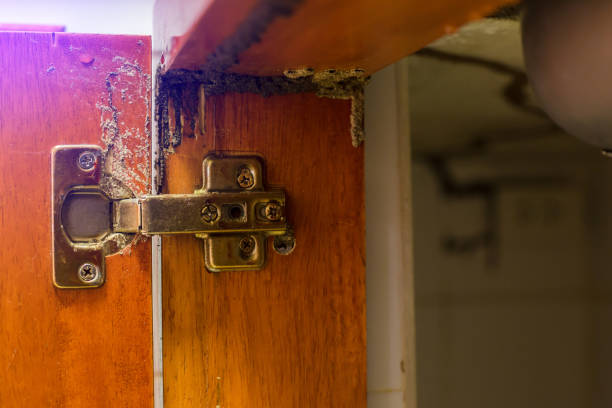
- Drywood termites produce small oval-shaped pellets called frass that resemble sawdust or coffee grounds.
- Termites can cause moisture to build up behind walls or under surfaces due to tunneling activity.
- This may result in warped walls, bubbling paint, or peeling wallpaper.
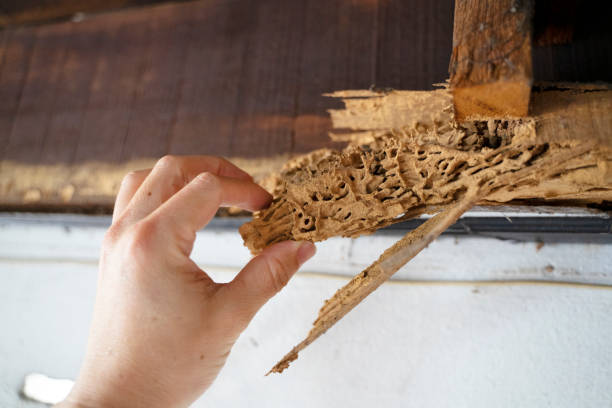
- Visible grooves in wooden beams or furniture could be evidence of termite feeding patterns.
- Severe cases might involve structural instability in floors, ceilings, or walls.
Table: Differences Between Subterranean and Drywood Termite Signs
| Feature | Subterranean Termites | Drywood Termites |
| Shelter Construction | Mud tubes | No mud tubes; live inside wood |
| Frass Presence | None | Visible frass near infested areas |
| Moisture Requirements | High moisture needed | Low moisture sufficient |
| Entry Point | Soil contact with structure | Direct entry into wood |
Steps for Homeowners
- Inspect Frequently:Conduct regular inspections around your home’s foundation and wooden structures for signs like mud tubes or damaged wood.
- Monitor Risk Areas:Pay close attention to basements, crawl spaces, attics, and areas where wood meets soil.
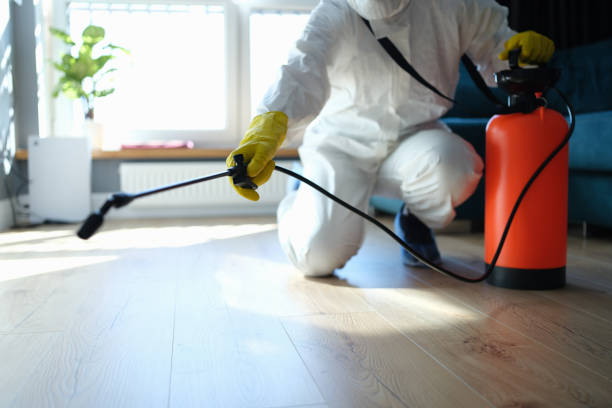
- Consult Professionals:If you suspect an active infestation but cannot locate its source conclusively, contact licensed pest control experts for an assessment.
Detecting termite activity early is essential to avoiding costly repairs and preserving the structural integrity of your home. Use these guidelines to stay vigilant against potential infestations while protecting your property over time.
How Miami termite control can prevent structural risks and damages
Termites are among the most destructive pests, capable of causing significant structural damage to homes and buildings. Understanding these risks is essential for homeowners and property managers to mitigate potential losses and maintain the integrity of their properties. Termite infestations often progress silently, making early detection crucial.
Prevent Structural Damages with Miami Pest Control for Termites
Termites primarily feed on materials containing cellulose, such as wood, paper products, and plant-based fibers. This feeding behavior can compromise the structural integrity of buildings over time.
- Weakened Wooden Structures: Termites hollow out wooden beams, floors, and support structures from the inside out. This leaves a thin outer shell that may collapse under pressure.
- Damage to Foundations: Subterranean termites build mud tunnels that enable them to access wooden elements above ground. While concrete foundations themselves are not consumed, they can be undermined if connected wooden structures are infested.
- Destruction of Roof Supports: Wooden trusses and supports in attics are particularly vulnerable because they often remain untouched for long periods.
- Warping and Sagging Floors: As termites consume subflooring materials or supporting joists, floors may begin to sag or buckle.
Finding the Best Termite Control Company in Miami to Prevent Costly Damage
Termites cause billions of dollars in property damage annually worldwide. Unlike some other pests, termite damage is rarely covered by homeowners’ insurance policies due to its preventable nature. So make sure to call a trusted pest control specialist like MiamiTermiteSolutions.com immediately if you spot signs of termite infestations.
| Category | Estimated Costs ($) | Description |
| Inspection & Treatment | $300 – $1,200 | Regular inspections and professional treatments help prevent infestations. |
| Repair Costs | $3,000 – $8,000 (or more) | Repairing structural damages like replacing beams or flooring materials. |
| Property Value Loss | Varies | Severe infestations may reduce resale value if not addressed thoroughly. |
Understanding the Importance of Hiring a Termite Exterminator Miami Experts Trust
- Electrical Hazards: Some termite species chew through electrical wiring insulation in pursuit of wood or cellulose materials nearby. This increases the risk of short circuits or fires.
- Plumbing Issues: Subterranean termites occasionally invade plumbing systems if pipes are adjacent to wood structures or have condensation buildup.
- Allergies and Mold Growth: Moisture associated with termite activity can contribute to mold growth in walls or ceilings, which may trigger allergies or respiratory issues.
How to Identify Signs You Need Termite Removal Miami
- Hollow-sounding wood when tapped
- Visible cracks along ceilings or walls
- Mud tunnels on walls near the foundation
- Bubbling paint or peeling wallpaper
- Droppings resembling small pellets near wooden surfaces
Recognizing these early indicators allows for prompt action before extensive repairs become necessary.
By understanding the types of damages termites can cause and their potential financial impact, you can take proactive steps to protect your home from these destructive pests effectively.
Effective Methods for Identifying Termite Species in Your Area
Identifying the specific type of termite present in your area is a critical step in effectively managing and preventing infestations. Various species of termites exhibit distinct behaviors, preferences, and habitats. Proper identification can help homeowners and pest control professionals choose the most effective strategies for treatment and prevention.
Common Types of Termites
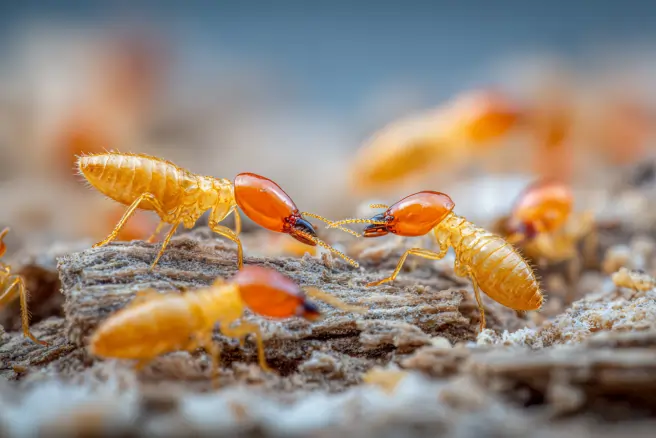
- Appearance: Creamy white to dark brown or black; typically measure 1/8 inch to 3/8 inch in length.
- Behavior: They require contact with soil for moisture and often build mud tubes to reach food sources.
- Habitat: Drywood termites infest dry wood, such as furniture or structural timber, without requiring contact with soil.
- Appearance: Light brown to dark brown; typically larger than subterranean termites.
- Behavior: Known for creating small holes in wood surfaces where they expel pellets (frass).
- Appearance: Larger bodies compared to other species; light brown coloration.
- Behavior: They thrive in areas with excessive moisture and are less likely to invade well-maintained homes.
Key Methods for Identification
Knowing what signs to look for can help homeowners pinpoint the specific termite species affecting their property.
- Look for WingsDiscarded wings near windowsills, doors, or light fixtures indicate termite swarming activity.
- Subterranean termite wings are uniform in size and translucent.
- Drywood termite wings are slightly longer and have veins visible under magnification.
- Examine Wood Damage Each species causes unique patterns of wood damage:
- Subterranean termites create hollowed-out areas beneath the surface.
- Drywood termites leave clean galleries with smooth walls inside infested wood.
- Dampwood termites produce irregular tunnels due to their preference for decayed material.
- Identify Frass (Termite Droppings)Drywood termites leave behind small piles of pellet-like droppings near infested areas.
- Listen for NoisesTap on wooden structures near suspected infestations—termites sometimes make faint clicking sounds as they chew through wood.
Table Comparison of Termite Characteristics
| Species | Habitat | Unique Sign | Physical Traits |
| Subterranean | Underground/Soil | Mud tubes | Creamy white; 1/8″–3/8″ |
| Drywood | Dry wooden objects | Frass (pellets) | Light brown; larger body |
| Dampwood | Moist/damp wood | Irregular galleries | Larger size; light brown hue |
Professional Tools for Accurate Identification
For precise identification, consider using professional tools and methods: – Magnification Devices: To assess wing structure or frass texture closely.Moisture Meters: To detect damp conditions favorable to subterranean or dampwood termites.Professional Pest Inspection: Certified experts can accurately determine species presence through advanced testing techniques like infrared imaging or pheromone traps.
Understanding the type of termite invading your property allows you to tailor solutions effectively while minimizing potential damages. Early detection is key to protecting your home from costly repairs associated with severe infestations.
How to Eliminate Termites and Protect Your Property Long-Term
Termites can cause significant damage to structures if not addressed promptly. To eliminate termites and ensure long-term protection of your property, it’s essential to employ a combination of eradication methods, preventive strategies, and regular monitoring. Below is a detailed guide to help you tackle termite infestations effectively.
Step 1: Identify the Type of Termite Infestation
Before proceeding with elimination techniques, it’s critical to determine the type of termite species causing the infestation. This knowledge influences which treatment methods are most effective.
- Subterranean termites: Build mud tubes and are commonly found underground or in moist wood.
- Drywood termites: Infest dry wood and are often located in furniture or attics.
- Dampwood termites: Prefer decayed or high-moisture wood typically found outdoors.
Step 2: Use Effective Termite Treatment Options
Various treatment options exist depending on the severity of the infestation and termite species.
- Applied around the foundation of your home to create a barrier that kills or repels termites.
- Recommended products typically contain active ingredients like fipronil or imidacloprid.
- Involves placing bait stations around your property filled with cellulose material laced with termiticide.
- Worker termites carry this bait back to their colony, eliminating it over time.
- A professional service that involves sealing your home and treating it with gaseous pesticides.
- Effective against large-scale infestations but requires temporary relocation during the process.
- Natural Remedies (for Small Infestations)
- Use diatomaceous earth around termite-prone areas as it dehydrates their exoskeletons.
- Apply nematodes—parasitic worms that feed on termite larvae for biological control.
| Treatment Method | Suitable for | Cost Effectiveness | Professional Assistance Required? |
| Liquid Termiticides | Subterranean | High | Optional |
| Baiting Systems | Subterranean/Drywood | Medium | Yes |
| Fumigation | Drywood | High | Yes |
| Natural Remedies | Small infestations | Low | No |
Step 3: Implement Long-Term Prevention Strategies
- Reduce Moisture Levels:Repair leaky pipes, maintain proper drainage, and use dehumidifiers in damp areas.
- Seal Entry Points:Use caulk or sealant to close cracks in foundations, walls, and windows.
- Store Firewood Properly:Keep firewood elevated off the ground and stored far from your home.
- Regular Inspections:Schedule annual inspections by pest control professionals to detect early signs of reinfestation.
- Install Physical Barriers:Use stainless steel mesh or sand barriers below foundations during construction projects for added protection.
Step 4: Partner With Professionals
While DIY treatments may work for minor infestations, severe cases often require professional pest control services for thorough extermination and prevention plans tailored specifically to your property.
By combining these approaches—effective treatment options, diligent prevention measures, and professional expertise—you can successfully eliminate termites while safeguarding your property from future threats over the long term.
The Lifecycle of Termites and Their Role in an Infestation
Understanding the lifecycle of termites is essential for comprehending how they establish colonies, expand their population, and cause damage to structures. Each stage in the termite lifecycle plays a crucial role in their ability to infest and thrive within a property. Below is a detailed breakdown of these stages and their significance in an infestation.
The Lifecycle Stages of Termites
- All termites begin their life as eggs laid by a queen termite.
- A queen can lay thousands of eggs annually, depending on the species.
- Eggs are carefully tended by worker termites to ensure successful hatching.
- Termite eggs hatch into nymphs, which are young termites that haven’t yet matured or specialized into specific roles within the colony.
- Nymphs undergo several molts (shedding their exoskeleton) as they grow, eventually developing into one of three castes: workers, soldiers, or reproductive alates.
- Workers form the backbone of any termite colony and are responsible for key survival tasks such as:
- Foraging for food (e. g. , wood, cellulose-based materials).
- Feeding other members of the colony.
- Constructing tunnel systems and maintaining the nest structure.
- They account for the majority of colony members and play a direct role in causing structural damage to homes.
- Soldiers primarily defend the colony from predators like ants or other external threats.
- Equipped with large mandibles or specialized heads (depending on species), they protect workers while they forage or maintain tunnels.
- Reproductive termites develop wings during this stage and leave the parent colony during swarming seasons to establish new colonies elsewhere.
- Swarmers are often one of the first visible signs homeowners notice that indicate potential termite activity nearby.
- At maturity, alates shed their wings after finding a mate and become queens and kings responsible for founding new colonies.
- Queens have extraordinary lifespans—sometimes living up to 25 years—and continuously lay eggs during this time.
The Role Each Caste Plays in an Infestation
- Workers:Directly involved in damaging wood by consuming cellulose-based materials inside homes or buildings.
- Soldiers:Protect tunnels created by workers to ensure uninterrupted access to food sources.
- Reproductives:Spread infestations by establishing new colonies near favorable food sources like untreated wooden structures.
Table: Overview of Termite Lifecycle Stages
| Stage | Role/Behavior | Key Contribution to Infestation |
| Egg | Hatching point for all castes | Ensures population growth |
| Nymph | Developmental stage before specialization | Conversion into functional caste members |
| Worker | Colony maintenance & feeding | Causes structural damage |
| Soldier | Defense against predators | Protects workers |
| Reproductive Alate | Spreads infestation through swarming | Initiates new colonies |
By understanding how termites progress through these stages, homeowners can better anticipate potential risks associated with infestations and take necessary measures—such as professional pest management—to mitigate damages before they escalate further.
Top Prevention Techniques to Keep Termites Away from Your Home
Preventing termites from infesting your home is far more efficient and cost-effective than dealing with the damage they can cause. Implementing effective prevention techniques helps safeguard your property and reduce the risk of structural damage. Below are some of the most reliable strategies for keeping termites at bay.
Termites thrive in damp environments, so reducing moisture around your home is one of the most critical steps in prevention.
– Fix Leaks:Repair leaking faucets, pipes, and air conditioning units promptly to prevent water accumulation.Improve Drainage:Ensure that gutters and downspouts direct water away from your home’s foundation.Ventilation:Increase airflow in crawl spaces or basements by installing vents to reduce humidity levels.
Your yard’s landscaping plays a significant role in preventing termite access to your home.
– Avoid Mulch Near Foundations:Mulch retains moisture, which attracts termites. Keep it at least 12 inches away from the base of your house.Trim Vegetation:Prune trees and shrubs so they don’t touch the exterior walls or roofline of your home, as termites can use them as a bridge.Remove Deadwood:Eliminate dead trees, stumps, or fallen branches from your yard since they serve as termite food sources.
Adding protective measures during construction or as part of renovations can help deter termites:
– Steel Mesh or Sand Barriers:Sealing Cracks and Gaps:Inspect for cracks in foundations, windows, doors, and walls regularly and seal them with caulk or other appropriate materials.
| Material | Effectiveness Against Termites | Cost | Recommended Use |
| Steel Mesh | High | Moderate | Under concrete slabs |
| Sand Barriers | High | Low | Beneath buildings |
| Chemical Sealants | Moderate | Low to Moderate | Around vulnerable openings |
Consistent inspections help identify potential issues before they escalate into full-blown infestations:
– Monthly Self-Assessments:Check for mud tubes along foundation walls, hollow-sounding wood, or discarded wings near windowsills and doors.Professional Services:Schedule annual inspections by licensed pest control experts who are trained to spot early signs of termite activity.
For new constructions or major renovations:
– Apply termiticides around foundations before pouring concrete as an additional layer of protection. – Opt for treated wood materials that are less attractive to termites.
Wooden structures act as a magnet for termites if placed too close to openings: – Store firewood at least 20 feet away from buildings. – Use non-cellulose materials like metal or plastic for outdoor furniture directly adjacent to homes.
Being proactive about these prevention techniques not only minimizes the risk of costly damage but also ensures peace of mind when it comes to protecting one’s property against termite infestations.
- Effective Miami Termite Treatment: Recognizing the Signs of an Infestation in Your Home
- Effective Miami Termite Control: Protect Your Property from Damage
- The Ultimate Guide to Miami Termite Treatment and Identifying Infestations
- Miami Pest Control: A Comprehensive Guide to Protect Your Home from Termites
- Comprehensive Miami Termite Control Guide: How to Identify and Handle Termites
- Comprehensive Guide to Miami Pest Control and Understanding Termites
- Comprehensive Guide to Miami Termite Control: Protecting Your Property Effectively